
How to Get an EPC Certificate
If you’re a property owner or landlord in the UK, you’ve likely come across the term EPC Certificate. But what exactly is it, and why is it important? In this guide, we’ll walk you through the essentials of obtaining an EPC certificate, covering costs, benefits, and legal requirements. So, whether you’re selling, renting, or improving your property, read on to learn everything you need to know about securing an EPC certificate efficiently.
What is an EPC Certificate?
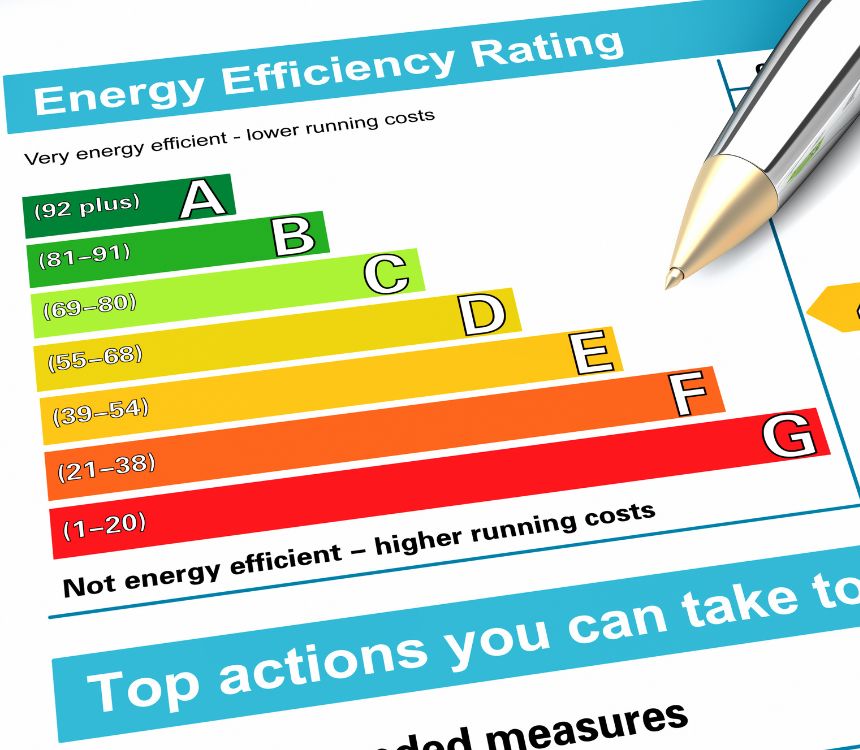
An EPC (Energy Performance Certificate) is a document that provides a rating for the energy efficiency of a property. Ranging from A (most efficient) to G (least efficient), this certificate not only evaluates the current energy efficiency but also offers recommendations for improving it. The certificate is valid for 10 years and is required by law when selling or renting out a property in the UK.
Get The EPC Certificate Now
Ready to Get Your EPC Certificate? Book an Assessment Today!
Why Do You Need an EPC Certificate?
In the UK, an EPC certificate is mandatory if you plan to:
- Sell your property: Prospective buyers will want to see the energy rating before making a purchase.
- Rent out a property: Landlords must provide a valid EPC to tenants.
- Apply for green grants: Some government initiatives, like the Green Homes Grant, require a valid EPC for eligibility.
- Make energy-efficient home improvements: The EPC provides guidance on how to increase your property’s efficiency, helping you save on energy bills.
Step-by-Step Guide to Getting an EPC Certificate in the UK
Find a Qualified Domestic Energy Assessor (DEA) The first step in obtaining an EPC is to contact a qualified Domestic Energy Assessor. These professionals are licensed to carry out the energy assessment and issue the certificate. You can find a certified assessor through:
- The government’s official EPC register website.
- Local property service companies or estate agents.
- Online directories for registered assessors in your area.
Book an Assessment Appointment Once you’ve found a registered assessor, schedule an appointment for them to visit your property. During the assessment, the DEA will inspect various aspects of your property, including:
- The insulation level in walls, roofs, and floors.
- The efficiency of heating systems and controls.
- The type and age of windows (e.g., double or single glazing).
- The presence and effectiveness of any renewable energy sources, such as solar panels.
- The inspection usually takes around 30-60 minutes, depending on the size and complexity of the property.
Receive the EPC Certificate After the assessment, the DEA will calculate your property’s energy efficiency rating and generate an EPC report. This report includes:
- The current energy rating (A-G).
- Recommendations for improving energy efficiency.
- Potential rating improvements if these recommendations are followed.
- You’ll receive the EPC certificate electronically, and it will also be registered on the national EPC register, where you can access it anytime.
How Much Does an EPC Certificate Cost?
The cost of obtaining an EPC in the UK can vary, typically ranging between £85 and £120, depending on factors such as:
Location: Prices might be higher in large cities like London compared to rural areas.
Property size and type: Larger properties may cost more to assess.
The chosen assessor: Some assessors or companies may offer discounts or bundled services if you are using them for multiple properties.
It’s advisable to compare quotes from multiple assessors to find a competitive rate.
Legal Requirements and Compliance
In the UK, it’s a legal requirement to have a valid EPC certificate if you are selling or renting a property. Failing to provide an EPC could result in fines of up to £5,000. Moreover, from 2025, new regulations state that all rental properties must have an energy efficiency rating of at least C, pushing many landlords to upgrade their properties sooner rather than later.
Tips for Improving Your Property’s EPC Rating
A higher EPC rating not only makes your property more attractive to potential buyers or tenants but can also save you money on energy bills. Here are some cost-effective ways to improve your rating:
Upgrade insulation: Installing loft, wall, or floor insulation can significantly enhance energy efficiency.
Install double glazing: Upgrading windows can reduce heat loss and improve comfort levels.
Replace old boilers: An energy-efficient boiler can make a substantial difference in your EPC score.
Consider renewable energy: Solar panels or heat pumps might require an initial investment but offer long-term savings and efficiency gains.
In Closing
Obtaining an EPC certificate in the UK is straightforward and essential if you plan to sell or rent your property. By following the steps outlined in this guide, you can ensure compliance with legal requirements and potentially enhance your property’s value and efficiency. Remember, an EPC certificate is not just a legal obligation; it’s also a valuable tool to make your property more energy-efficient and attractive to future buyers or tenants. For more information or to find a registered assessor, visit the UK government’s EPC register.
Further Reading