
Does an HMO Need Thumb Turn Locks for Bedroom Doors?
For UK landlords managing Houses in Multiple Occupation (HMOs), the question of whether thumb turn locks are necessary on bedroom doors often arises. Safety, legal compliance, and tenant comfort are paramount, making it crucial to understand when and why thumb-turn locks might be required. Let’s dive into the specifics, offering clarity on this important aspect of HMO regulations.
What is a Thumb Turn Lock?
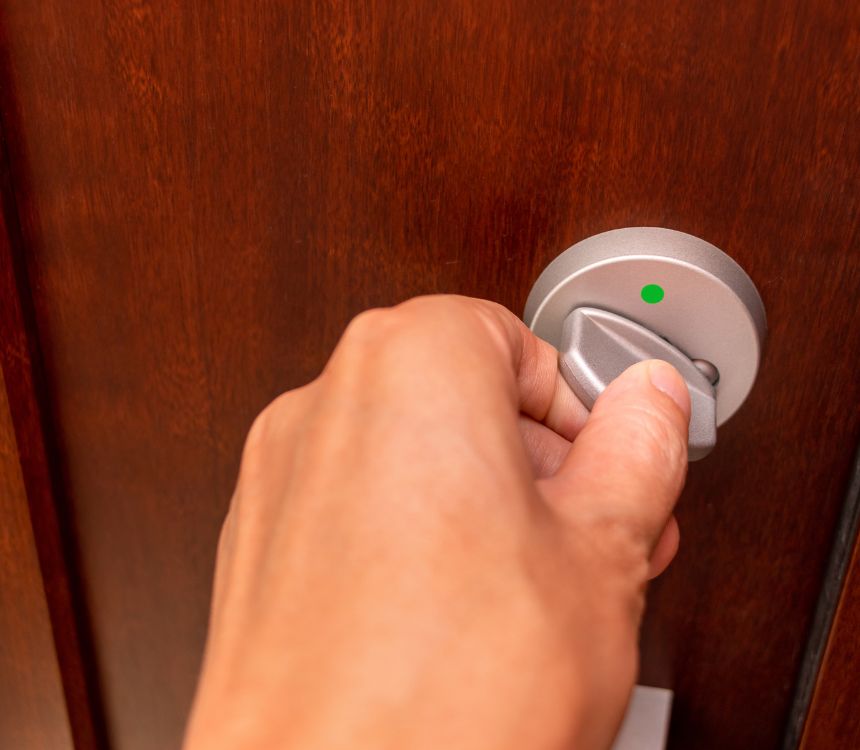
A thumb turn lock is a type of door lock mechanism that doesn’t require a key from the inside to unlock the door. Instead, it uses a small knob or lever, allowing easy exit in case of an emergency, like a fire. This kind of lock is especially beneficial in properties where quick evacuation could be critical.
Legal Requirement for Thumb Turn Locks in HMOs
While HMO regulations can vary depending on local authority guidelines, thumb-turn locks are generally recommended for fire safety. The UK government’s Fire Safety Order 2005, which applies to HMO properties, stresses the importance of safe evacuation routes. Bedroom doors in HMOs should ideally have thumb-turn locks to prevent occupants from becoming trapped during emergencies if they can’t find a key.
Get the Landlord Certificates for HMO
Ready to get certified? Contact us today to ensure your HMO meets every regulation!
Why Thumb Turn Locks are Preferred for HMOs
- Fire Safety: In HMOs, the ability to quickly exit a bedroom in case of fire is essential. Thumb turn locks provide a reliable solution, allowing tenants to escape quickly without fumbling for a key.
- Convenience for Tenants: Thumb turn locks offer both security and convenience. Tenants can lock their bedroom doors for privacy while easily exiting the room without needing a key from the inside.
- Meeting Insurance and Licensing Requirements: Some landlords find that insurance providers and licensing authorities require thumb-turn locks on bedroom doors in HMOs as a safety measure. Compliance can help avoid potential fines or complications with insurance claims.
- Peace of Mind for All: Both tenants and landlords can feel more secure knowing that the property has been fitted with safety features, helping to minimise risks associated with emergencies.
When Are Thumb Turn Locks Required?
In most HMOs, thumb turn locks are recommended for:
- Bedroom Doors: As private spaces, these rooms should have secure, easy-to-use locks. Thumb turn locks provide an ideal balance of security and safety.
- Fire Doors: Fire doors fitted with thumb turn locks allow quick exit, contributing to an overall fire-safe property.
Choosing the Right Thumb turn Lock
Not all thumb turn locks are created equal. When choosing one for your HMO, consider the following:
- Fire-Resistant Locks: Ensure the lock is fire-rated if it’s being installed on a fire door. This extra step can make a crucial difference in a real emergency.
- Durability: High-quality materials ensure the lock will stand up to frequent use, which is common in HMO properties.
Compliance with Local Standards: Always check your local authority’s HMO regulations, as some councils have specific requirements regarding lock types on bedroom doors.
The Role of Local Authorities
UK councils often have specific regulations around safety in HMOs, including lock types. Some councils may require landlords to install thumb turn locks on all bedroom doors to meet licensing standards. Checking with your local authority helps ensure full compliance, and it also allows you to prepare for any potential inspections, which often assess fire safety measures like locks and exits.
Alternatives to Thumb Turn Locks
While thumb turn locks are the preferred option for most HMOs, some landlords consider alternatives. However, these should still meet safety standards and be easy for tenants to operate without compromising emergency exit options. Always consult with a fire safety professional if you’re considering any alternative locking mechanisms.
HMO Landlord Certificates
In Closing
So, does an HMO need thumb turn locks for bedroom doors? In most cases, yes – for both safety and compliance. UK landlords operating HMOs will likely benefit from installing thumb turn locks to meet safety standards and ensure a secure environment for tenants. It’s a straightforward yet essential step toward creating a safer, legally compliant HMO property. Before making changes, consulting with your local authority or a fire safety expert is wise to ensure full compliance and peace of mind for all involved.
By addressing fire safety regulations and enhancing tenant convenience, thumb turn locks play a crucial role in responsible HMO management, helping UK landlords protect their tenants and their property.
Further Reading
How to Get the Fire Safety Certificate for an HMO
HMO Electrical Requirements: A Comprehensive Guide for Landlords
HMO Landlord: How to Set Up a Company
What Certificates Are Required for HMO Properties?
How to Check if a House Has an HMO Licence
HMO Minimum Room Size Requirements
HMO Certificate of Compliance: Essential Guide
Do You Need an EPC for an HMO? A Guide for UK Landlords
Does an HMO Certificate Have to Be on Display at the Property?
How to Expedite an HMO Certificate
How Often Does an HMO Require an Electrical Installation Certificate?
Landlord HMO Safety Certificate Cost: Essential Guide
What Happens When an HMO Licence Expires?
How to Convert a House to an HMO
What Are the Likely Requirements for a Section 254 HMO?
Do You Pay Council Tax in an HMO? A Guide for Landlords